
Home/Be Prepared
Ready before the next emergency
Disasters come with little warning, and emergency crews can be stretched thin. A few steps now help your household manage on its own for the first few days.
Three steps
Plan, pack and stay informed
Make a plan
Agree how your household will reach each other, where you will meet and who your out-of-town contact is.
Build a kit
Gather enough supplies to manage at home for several days, and keep a smaller go-bag by the door.
Stay informed
Sign up for CT Alert, Connecticut’s free emergency alerts, online or by texting CTALERT to 888-777. And know how you will get updates if the power goes out.
Emergency kit
What’s in your kit?
Protect your home
Small fixes that prevent big damage
Mitigation means acting before a disaster to lessen its impact.
Anchor heavy furniture
Secure bookcases, appliances and office equipment so they cannot tip over.
Strap your water heater
Brace it to the wall, and ask about flexible gas lines.
Label your shutoffs
Find and label the gas, electricity and water shutoffs, and keep a wrench nearby.
Know your flood zone
Look up your address, and consider flood insurance if you are in a flood hazard area.
FEMA flood mapsKnow your hazards
What Connecticut weather can bring
Hurricanes and tropical storms
Prepare early: secure outdoor items, charge devices and know where you would go.
National Hurricane CenterSevere storms and wind
Get indoors when thunder roars, and stay clear of downed power lines.
Weather safetyWinter storms
Stock up before the storm, use heat sources safely and check on older neighbors.
Winter safetyExtreme heat
Know the signs of heat illness, drink water and check on people living alone.
Heat safetyPower outages
Keep food cold and safe, and run generators outdoors only, away from windows.
Food and water safetyHow at risk is New Haven County? FEMA’s National Risk Index ranks 18 natural hazards.
National Risk IndexEveryone in your household
Plan for the people and pets you love
Pets
Carriers, food, records and a place to stay, since some shelters cannot take animals.
Ready.govAccess and functional needs
Plan for medical equipment, mobility and communication needs.
FEMAKids
Free classroom programs: Prepare with Pedro and the Pillowcase Project.
Red CrossStaying healthy after
Floodwater, cleanup injuries and other dangers after a disaster.
CDCFeeling overwhelmed?
Free, confidential support, any time. Call or text:
1-800-985-5990Disaster Distress HelplineTake the next step
Learn the skills to help
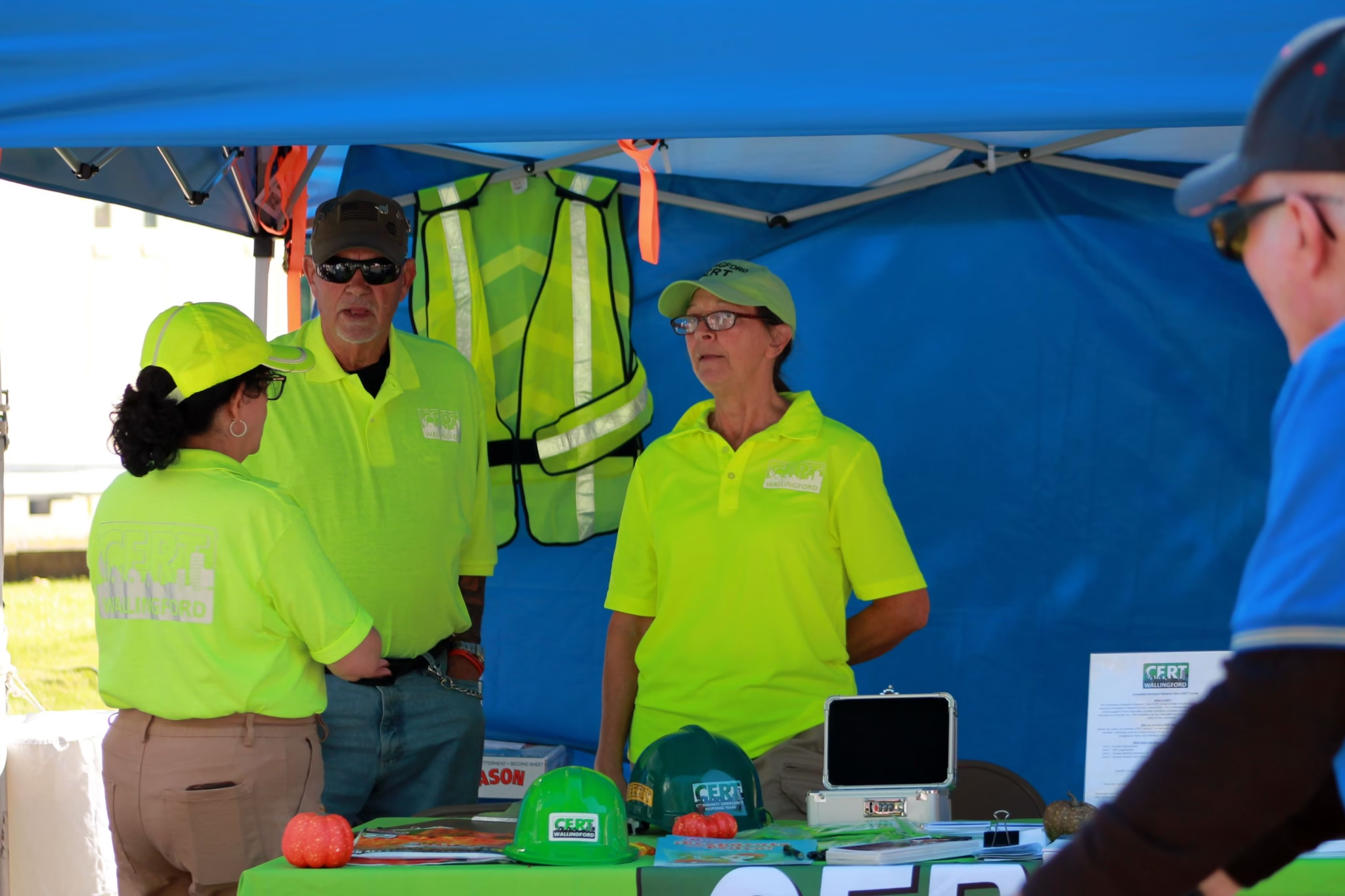
Take a CPR or first aid class, try FEMA’s free introduction to CERT online, or join our team.