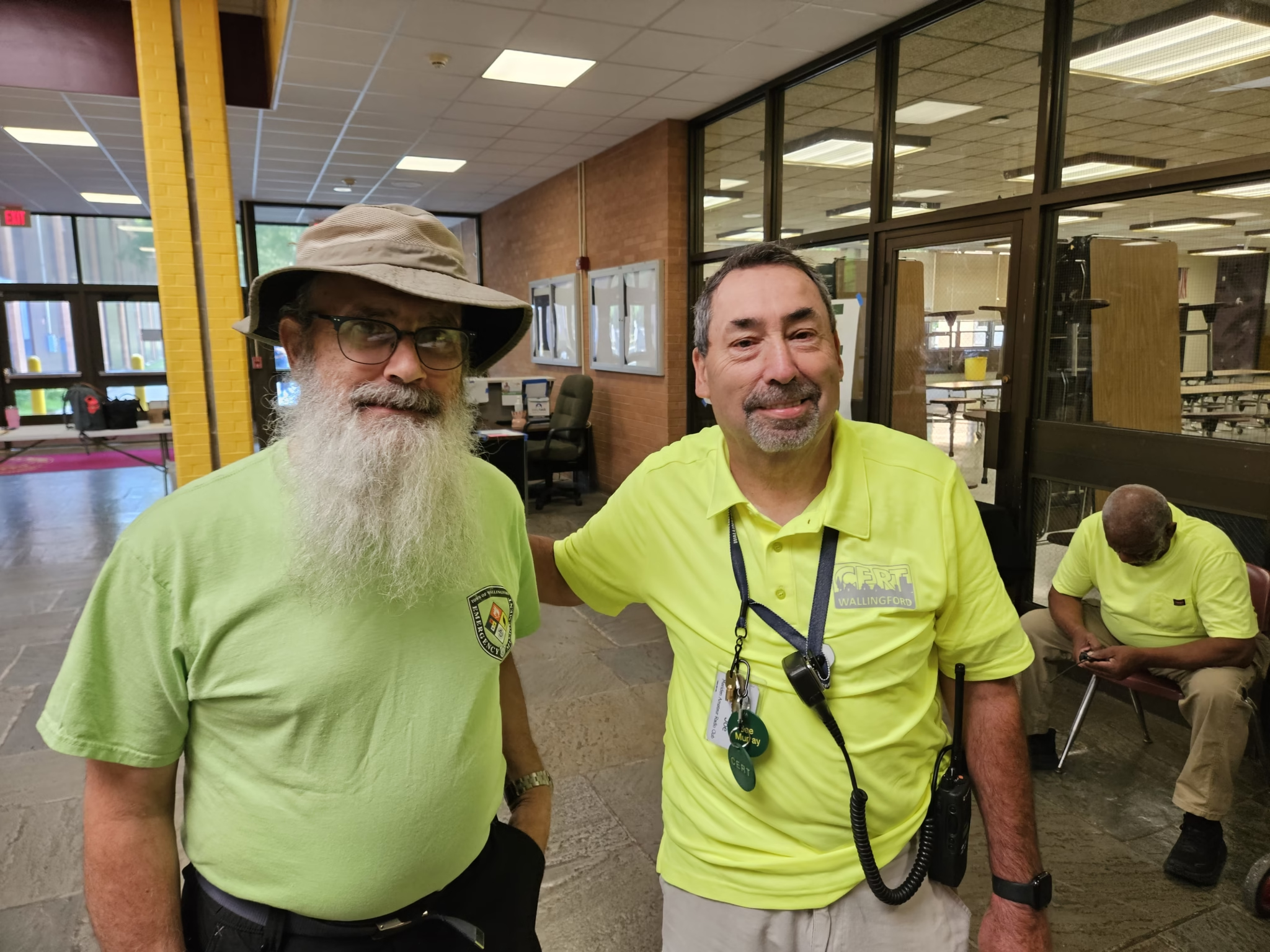
Two smiling CERT volunteers in green shirts at the BioPOD exercise

Home/CERT Reference Guide/Section 6

Section 6: CERT Organization

Team structure, incident command and documentation.

In this section

  • Describe the CERT structure
  • Identify how CERTs work within the Incident Command System
  • Explain documentation requirements

22 slides from FEMA's CERT Basic Training. Use the arrows or your keyboard's arrow keys.

PDF 1.5 MBPowerPoint 2.6 MB

Loading the slides…

Slide 1 of 22Open the PDF

The slides in words

The text of each slide, for reading, searching and screen readers. Select a slide's number to show it above.

  1. CERT Organization

  2. Unit Objectives

    • Describe the CERT structure
    • Identify how CERTs interrelate with ICS
    • Explain documentation requirements
  3. Unit Topics

    • CERT Organization
    • Mobilization
    • Documentation
  4. Principles of On-scene Management

    • Maintain the safety of disaster workers
    • Provide clear leadership and organizational structure
    • Improve effectiveness of rescue efforts
  5. CERT On-scene Management

    • Well-defined management structure
    • Manageable span of control
    • Common terminology
    • Effective communication
    • Consolidated action plans
    • Comprehensive resource management
    • Accountability
  6. Objectives for On-scene Management

    • 1. Identify scope of incident
    • 2. Determine overall strategy
    • 3. Deploy resources
    • 4. Document actions and results
  7. Incident Command System

  8. CERT Operations

    • Command structure
    • CERT Incident Commander/Team Leader (IC/TL)
    • Command Post
    • Expanded structure as needed
  9. Dealing with the Media

    • Refer media inquiries to CERT IC/TL
    • Do not let media inhibit CERT goals
    • Be careful about information released
  10. NIMS Compliance

    • Ability to work together
    • IS-100.a: Introduction to ICS
    • IS-700.b: Introduction to NIMS
    • http:// training.fema.gov/ IS/NIMS.asp
  11. CERT Mobilization

    • CERTs take care of themselves, their families, their homes, their neighbors
    • Proceed to predesignated staging area
    • IC/TL is established, organizes the group
    • IC/TL prioritizes actions
    • Organization is flexible and evolves based on new information
  12. Rescuer Safety

    • Rescuer safety is first priority
    • Heavy damage = No rescue
    • Moderate damage = Locate, triage, evacuate
    • Light damage = Locate, triage, continue sizeup, and document
  13. Documentation

    • Section Chiefs
      • Provide Command Post with information
    • Command Post
      • Documents situation status ‒ Incident locations ‒ Access routes ‒ Identified hazards ‒ Support locations
  14. Documentation

    Write it down!

  15. Documentation Forms

    • Damage Assessment
    • Personnel Resources Sign-In
    • Incident/Assignment Tracking Log
    • Briefing Assignment
    • Survivor Treatment Area Record
    • Communications Log
    • Equipment Inventory
    • General Message
  16. Documentation Flow

  17. Documentation Flow

  18. Documentation Flow

  19. Documentation Flow

  20. Documentation Flow

  21. Unit Summary

    • ICS provides flexible means of organization
    • “Is it safe to attempt the rescue?”
    • Document and communicate information to all CERT levels
    • Provide Command Post with ongoing information about damage assessment, group status, and needs
    • Command Post documents and tracks situation status
  22. Homework Assignment

    • 1. Read unit to be covered in next session
    • 2. Bring necessary supplies to next session
    • 3. Wear appropriate clothes to next session

Terms in this section

Each opens in the glossary.

Course material: FEMA's CERT Basic Training (2019), in the public domain. For study only, not medical advice: in an emergency, call 911.