
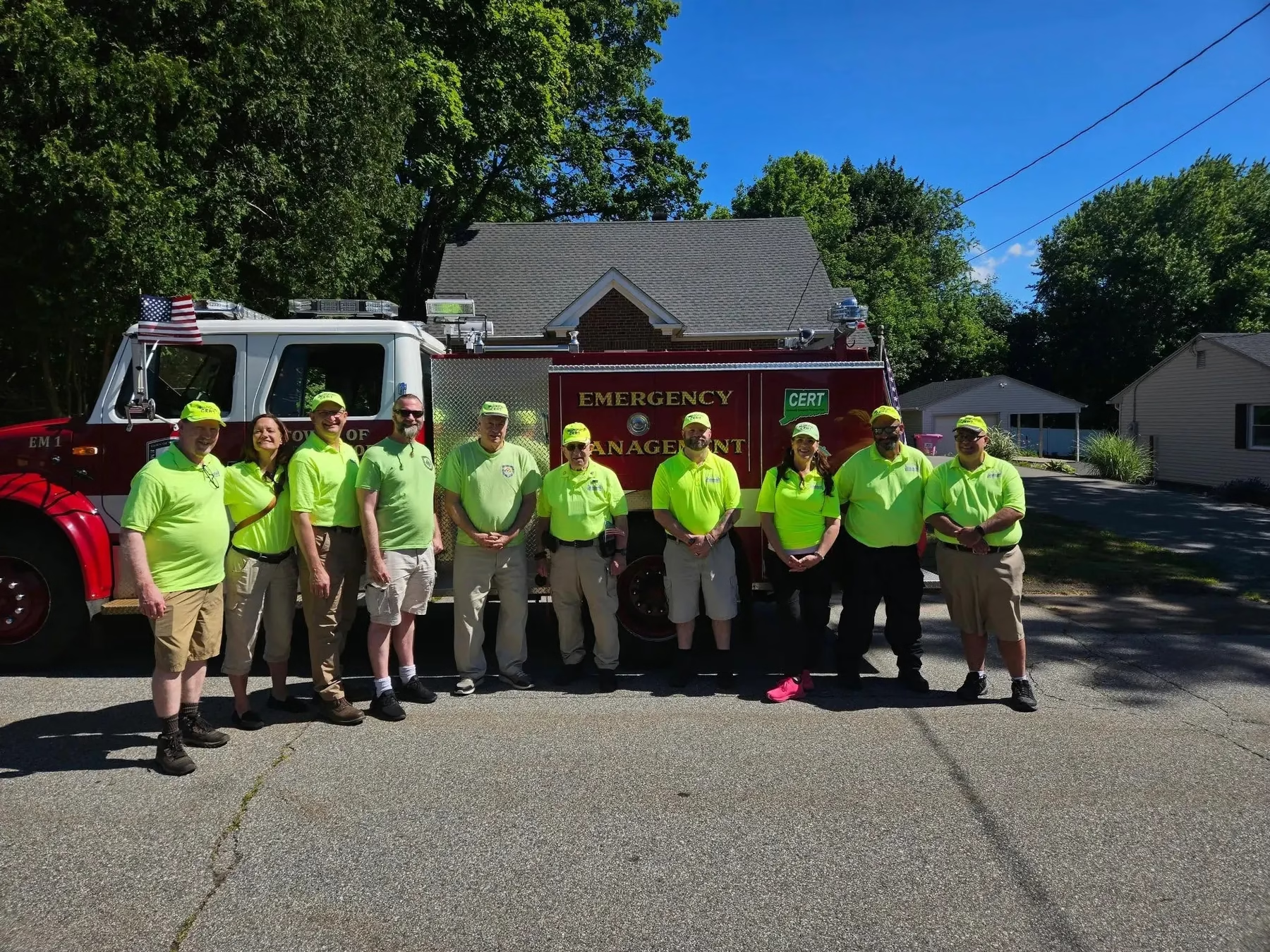
Wallingford CERT members standing in front of a fire engine

Home/CERT Reference Guide/Section 7

Section 7: Disaster Psychology

Easing the emotional toll on survivors and rescuers.

In this section

  • Describe the emotional environment after a disaster, for survivors and rescuers
  • Describe steps rescuers can take to relieve their own stress and that of survivors

22 slides from FEMA's CERT Basic Training. Use the arrows or your keyboard's arrow keys.

PDF 339 KBPowerPoint 448 KB

Loading the slides…

Slide 1 of 22Open the PDF

The slides in words

The text of each slide, for reading, searching and screen readers. Select a slide's number to show it above.

  1. Disaster Psychology

  2. Unit Objectives

    • Describe disaster and post-disaster emotional environment for survivors and rescuers
    • Describe steps rescuers can take to relieve their own stress and that of other survivors
  3. Unit Topics

    • Disaster Trauma
    • Team Well-Being
    • Working with Survivors’ Trauma
  4. Psychological Trauma

    • Your own personal losses
    • Working in your neighborhood
    • Assisting neighbors, friends, coworkers who have also been injured
    • Not feeling safe and secure
  5. Psychological Symptoms of Trauma

    • Irritability or anger
    • Self-blame or blaming others
    • Isolation and withdrawal
    • Fear of recurrence
    • Feeling stunned, numb, overwhelmed
    • Feeling helpless
    • Mood swings
    • Sadness, depression, grief
    • Denial
    • Concentration and memory problems
    • Relationship problems/marital discord
  6. Physiological Symptoms of Trauma

    • Loss of appetite
    • Headaches or chest pain
    • Diarrhea, stomach pain, or nausea
    • Hyperactivity
    • Increase in drug consumption
    • Nightmares
    • Insomnia
    • Fatigue
  7. Team Well-Being

    • Actions can be taken before, during, and after an incident to help manage emotional impact of disaster response work
    • Knowing possible psychological and physiological symptoms of disaster trauma helps manage impact
    • Learn to manage stress
      • CERT members for themselves
      • CERT leaders during response
  8. How You Reduce Stress

    • Get enough sleep
    • Exercise regularly
    • Eat a balanced diet
    • Balance work, play, and rest
    • Allow yourself to receive as well as give
    • Connect with others
    • Use spiritual resources
  9. Take Care of Yourself

    • Be aware of trauma that can follow a disaster
    • Explain to family members and friends what you need:
      • Listen when you want to talk
      • Don’t force you to talk
  10. How Team Leaders Reduce Stress

    • Brief CERT personnel beforehand
    • Remember CERT is a team
    • Rest and regroup
    • Take breaks away
    • Eat properly, stay hydrated
    • Arrange for debriefing
    • Rotate teams and duties
    • Phase out workers gradually
  11. Critical Incident Stress Debriefing

    • 1. Introductions and description
    • 2. Review of factual material
    • 3. Sharing of initial thoughts and feelings
    • 4. Sharing of emotional reactions to incident
    • 5. Instruction about normal stress reactions
    • 6. Review of symptoms
    • 7. Closing and further needs assessment
  12. Phases of a Crisis

    • Impact
    • Inventory
    • Rescue
    • Recovery
  13. Traumatic Crisis

    • Actual or potential death
    • Serious injury
    • Destruction
    • Loss of contact with family or close friends
  14. Effects of Traumatic Stress

    • Cognitive functioning
    • Physical health
    • Interpersonal relationships
  15. Mediating Factors

    • Prior experience with a similar event
    • Intensity of disruption
    • Individual feelings about event
    • Emotional strength of individual
    • Length of time since event
  16. Stabilizing Survivors

    • Assess survivors for injury or shock
    • Get uninjured people to help
    • Provide support by:
      • Listening
      • Empathizing
    • Help survivors connect with natural support systems
  17. How to Be an Empathetic Listener

    • Put yourself in the speaker’s shoes
    • Listen for meaning, not just words
    • Pay attention to nonverbal communication
    • Paraphrase the speaker
  18. Avoid Saying…

    • “I understand”
    • “Don’t feel bad”
    • “You’re strong” or “You’ll get through this”
    • “Don’t cry”
    • “It’s God’s will”
    • “It could be worse”
    • “At least you still have…”
    • “Everything will be okay”
  19. Managing the Death Scene

    • Cover the body; treat it with respect
    • Move the body to temporary morgue
    • Follow local laws and protocols
    • Talk with local authorities
  20. Informing Family/Friends of a Death

    • Separate the family member(s) or friend(s)
    • Have the person(s) sit down
    • Make eye contact
    • “I’m sorry, but your family member has died. I am so sorry.”
    • Let the family and friends grieve
  21. Unit Summary

    • Rescues may be unpleasant or uncomfortable
    • Psychological and physiological symptoms of trauma
    • Take steps to reduce stress
    • CISD is one intervention
    • Four emotional phases of a disaster
    • Stress affects cognition, health, and interactions
    • Stabilize individuals
    • Be an empathetic listener
  22. Homework Assignment

    • 1. Read unit to be covered in next session
    • 2. Bring necessary supplies to next session
    • 3. Wear appropriate clothes to next session

Terms in this section

Each opens in the glossary.

Course material: FEMA's CERT Basic Training (2019), in the public domain. For study only, not medical advice: in an emergency, call 911.